What is Doner Kebab?
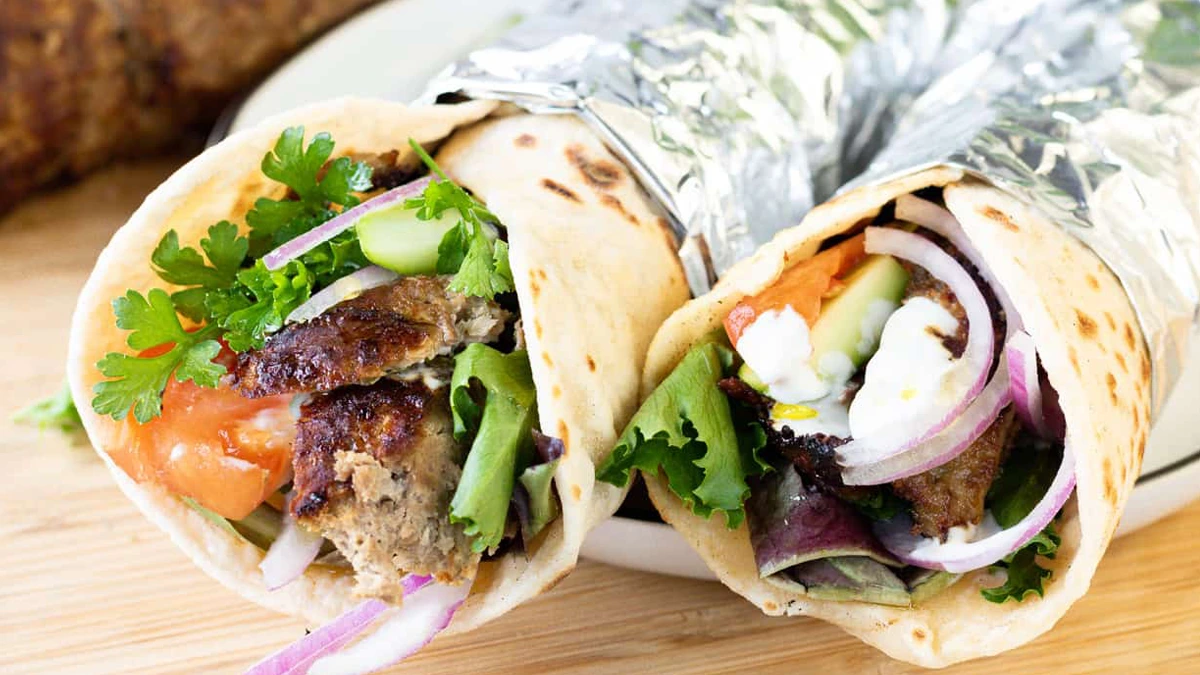
Döner kebab — one of the world's most beloved street foods
Turkish Food Guide
What is Doner Kebab? The Complete Guide to Turkey's Most Famous Dish
Doner kebab is one of the most widely eaten street foods on the planet — a slow-roasted cone of seasoned meat on a vertical rotisserie, carved fresh and served in bread or wrap. But what is doner kebab, exactly? Where did it come from, how is it made properly, and what distinguishes a genuinely good döner from the mediocre versions that have proliferated across Europe?
This complete guide answers those questions — and explains why the döner kebab at Maka Istanbul in Palma de Mallorca represents the dish at its best.
What is Doner Kebab?
Doner kebab — döner kebab in Turkish, from döner (rotating) and kebap (roasted meat) — is a dish of seasoned meat cooked on a vertical rotating spit. The meat is stacked in a cone shape, the outer layers roasting continuously as the spit rotates. When served, the cook slices thin layers from the outside of the cone directly onto bread, a wrap, or a plate.
According to Wikipedia, doner kebab is one of the most popular fast foods in the world, with an estimated 3.5 million portions consumed daily in Germany alone.
History and Origin of Doner Kebab
The doner kebab originated in Turkey in the 19th century, most likely in Bursa, where a cook named İskender Efendi is credited with first serving roasted meat from a vertical spit around 1867. The dish spread rapidly through the Ottoman Empire and, from the 1970s onwards, through the Turkish diaspora across Europe — arriving in Germany with the Gastarbeiter community and quickly becoming a staple of European urban food culture.
Today doner kebab is eaten in virtually every country in the world — but the finest versions remain rooted in the Turkish tradition that created them.
What Goes into a Doner Kebab?
A proper doner kebab uses seasoned lamb, beef, or a combination — marinated in a blend of spices that typically includes cumin, paprika, oregano, and black pepper, plus garlic and onion. The meat is layered onto the spit, pressed together, and cooked slowly as the outer layers roast and caramelise.
The bread that accompanies it matters enormously. At Maka Istanbul, the bread is baked fresh every morning in their own kitchen — a fact that immediately distinguishes it from döner served in commercially produced flatbreads.
Döner vs Dürüm — What's the Difference?
Both use döner meat — the difference is in the bread. A döner kebab is served in a round flatbread or pitta-style bread, folded around the meat. A dürüm uses thin lavash bread (similar to a wrap), which is rolled tightly around the meat and vegetables and then often pressed on a grill to make it crisp.
Both are excellent — the dürüm is generally more compact and portable, while the döner in bread is more generous and filling. At Maka Istanbul, both are available and both are outstanding.
What Makes a Great Döner Kebab?
The quality of the meat is everything. Premium beef — such as the Angus beef used at Maka Istanbul — has a natural depth of flavour that cheaper cuts cannot match. The spice blend must be balanced, not overpowering. The bread must be fresh. The vegetables must be crisp and selected that day. And the meat must be carved to order from a spit that has been turning for hours — not sitting in a bain-marie.
The Best Döner Kebab in Palma de Mallorca
For the best doner kebab in Palma de Mallorca, Maka Istanbul on Carrer de Francesc Suau is the only address worth knowing. Angus beef, family spice recipe, homemade bread, vegetables chosen daily. Everything made properly, every day. Halal-friendly and open daily for lunch and dinner.
For Mediterranean cuisine in Palma, complement your Turkish food experience with a visit to Olivar Bistro at Mercat de l'Olivar.
Frequently Asked Questions
Maka Istanbul — Angus beef, homemade bread, open every day. Also visit Olivar Bistro for Mediterranean cuisine at Mercat de l'Olivar.